 Crypto Custody Guide
Hot Wallet vs Cold Wallet: Which One Should You Use?
Use both, and split your holdings by how often you move them. A hot wallet is the right tool for spending money and small active balances. A cold wallet is the right home for savings you touch rarely. Anyone holding more than a few weeks of spending should treat the cold wallet as the vault and the hot wallet as the pocket. The hot wallet vs cold wallet question is not a choice of one over the other. It is a question of how much you keep in each and how you connect them.
Hot Wallet vs Cold Wallet: The Core Difference
The distinction comes down to one thing: whether the private key ever touches a device connected to the internet. A hot wallet stores keys on a phone, laptop or browser, so it can sign transactions immediately. A cold wallet keeps keys offline, on a hardware device or a piece of paper, and only connects to sign.
That single difference drives everything else. Convenience, cost, attack surface, recovery difficulty and the kinds of mistakes that lose funds all follow from where the key lives. A key on an internet-connected device can be stolen remotely. A key that never goes online cannot be, but it can still be lost through carelessness, fire, flood or a forgotten backup.
Neither model removes risk. They move risk to different places, and the table below shows where each one lands.
What a Cold Wallet Is For in Crypto
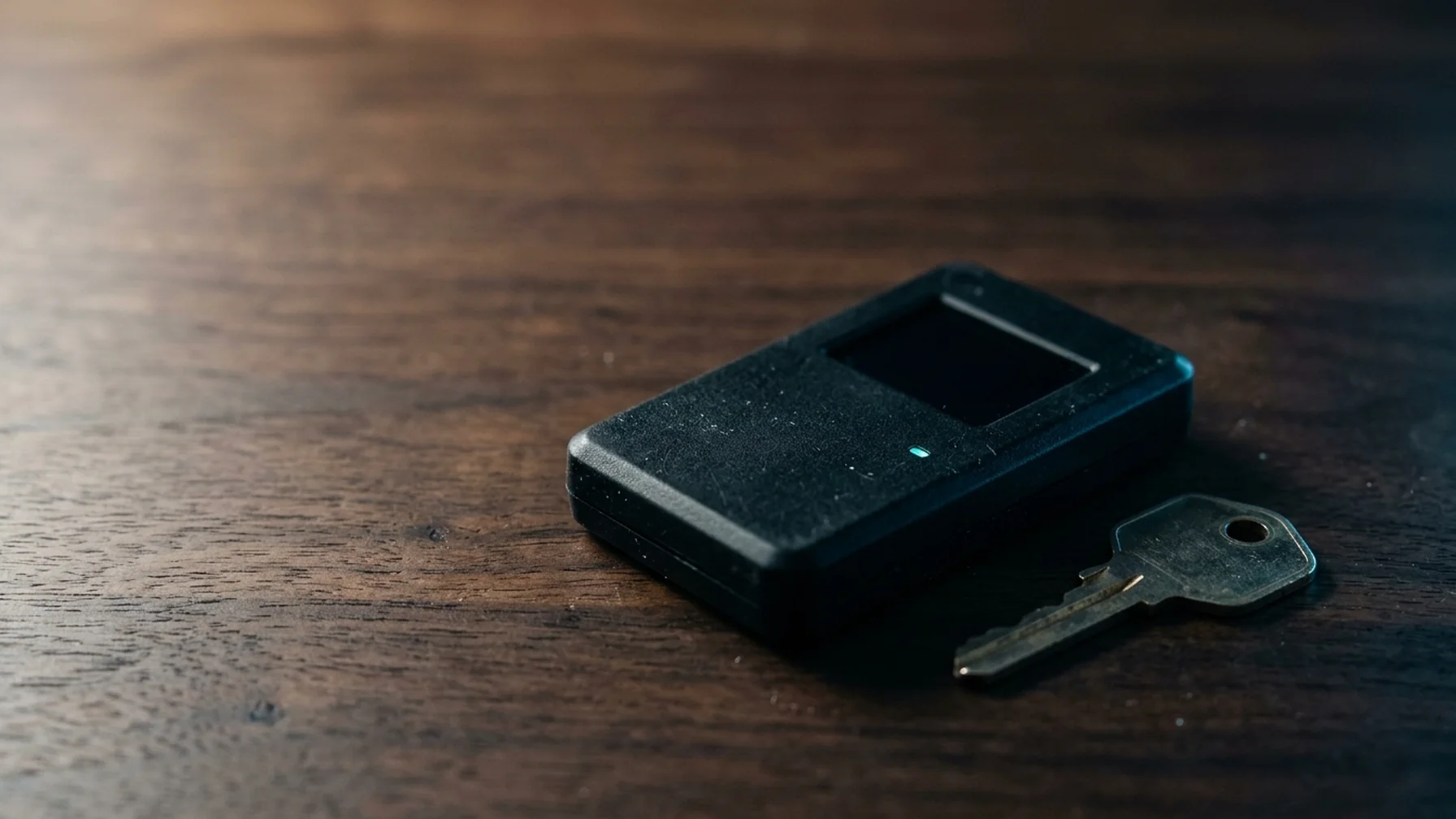
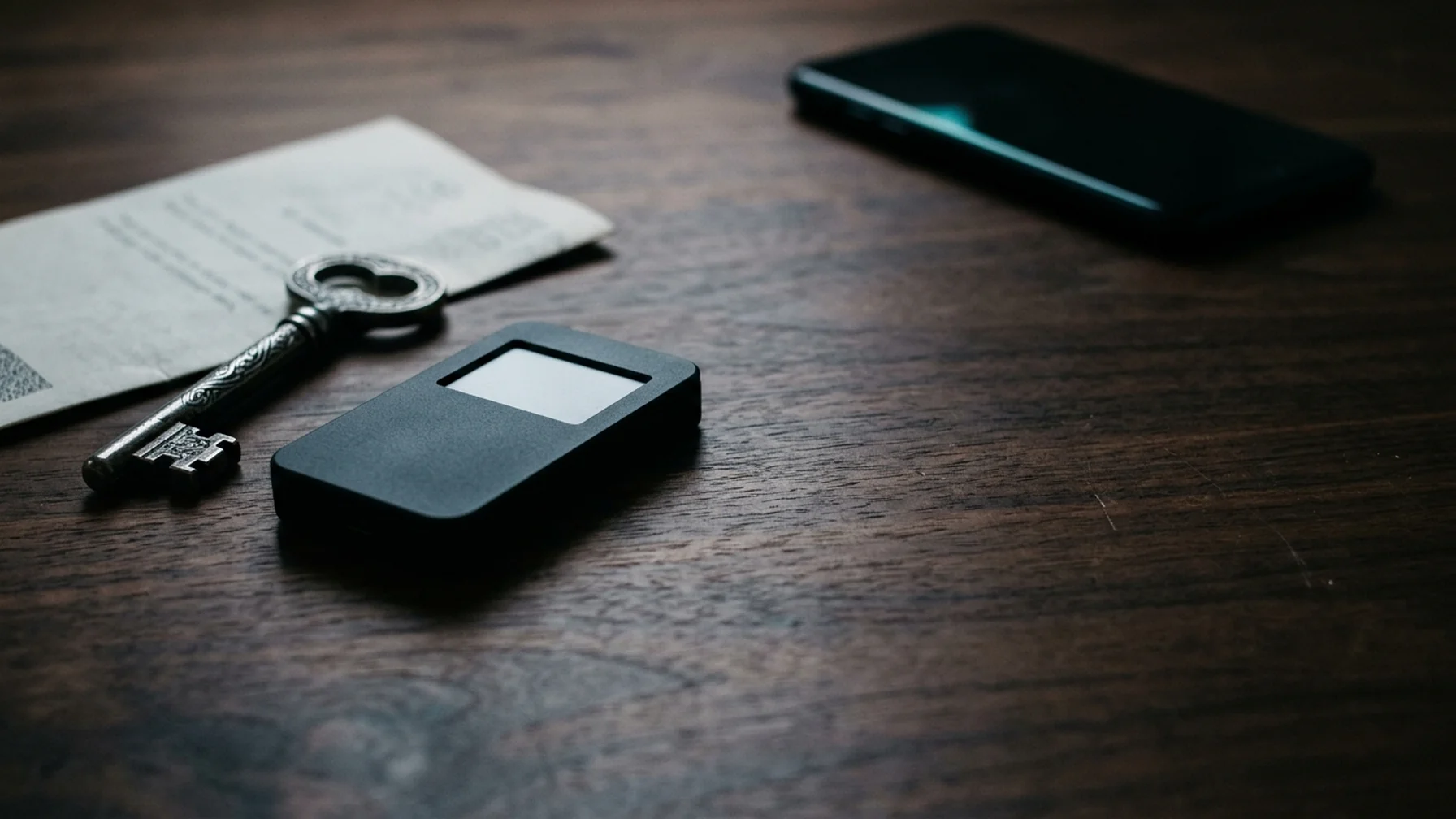
A cold wallet is any setup where the private key is generated and stored without an internet connection. In practice it is usually a hardware device, a small purpose-built unit that holds the key in a secure chip and signs transactions only after you confirm on the device itself. Paper wallets, air-gapped laptops and steel backup plates are other forms of cold storage.
What a cold wallet is for is narrow and specific: holding balances you do not need to move often, where a remote attacker has no path to the key. It is not a better wallet for daily use. Signing a transaction means connecting the device, entering a PIN, checking the destination address on the device screen and confirming. That friction is the point.
What a Cold Wallet Does Not Protect Against
A cold wallet does not protect you from yourself. If you lose the recovery phrase, or type it into a phishing site, the offline design does not help. The security comes from key isolation, not from the hardware alone. A cheap device bought secondhand can also arrive with a pre-loaded seed, which means someone else holds the key.
Comparison Table: Decision Criteria
| Criterion | Hot wallet | Cold wallet |
|---|---|---|
| Where the key lives | Phone, computer or browser, online | Offline device or paper, isolated from the internet |
| Best for | Spending, small active balances, frequent swaps | Long-term holdings, larger balances, savings |
| Setup effort | Minutes; install an app and write down a phrase | Longer; buy the device, initialize it, verify and back up the seed |
| Cost | Usually free | One-time hardware purchase, varies by model and region |
| Transaction speed | Immediate, often a few taps | Connect, PIN, verify on screen, confirm |
| Main remote threat | Malware, phishing, malicious browser extensions, clipboard hijacks | Supply-chain tampering, fake devices, phishing for the seed phrase |
| Main physical threat | Phone theft if the device is unlocked or poorly protected | Theft of the device plus the PIN, or loss of the backup |
| Backup you must protect | Recovery phrase, often stored in the same app or cloud by default | Seed phrase or steel backup, stored offline, ideally in two locations |
| Recovery if the device fails | Restore from the phrase on a new device | Restore from the seed backup on a replacement device |
| Who controls the keys | You, unless you use a custodial exchange wallet | You, provided you hold the seed |
When a Hot Wallet Is the Right Choice
Hot wallets suit balances you would not be upset to lose, or that you move too often for a cold setup to make sense. Think of a spending balance for everyday transfers, a small trading balance, or gas money for interacting with applications. Mobile wallets and browser wallets are the common tools here.
The practical rules that reduce hot wallet risk:
- Keep only what you need for the next few weeks in the hot wallet.
- Use a separate wallet for anything you interact with on unfamiliar sites.
- Check the destination address on your own screen, not from a link or message.
- Enable the wallet's PIN or biometric lock and keep the app updated.
- Treat any request to enter your recovery phrase as a scam. No legitimate app or support channel needs it.
Custodial Hot Wallets
A hot wallet run by a custodial provider is a different case. There, the provider holds the keys and you hold an account. That is convenient, but you are trusting the provider's security and terms, not your own setup. Read the terms on the provider's official site before relying on it.
When a Cold Wallet Is the Right Choice
A cold wallet fits balances you plan to hold for months or years, or any amount where losing it would change your plans. Business treasuries, long-term holdings and any balance larger than your emergency fund belong here.
Set it up carefully:
- Buy the device from the manufacturer or an authorized reseller. A secondhand or discounted device is a supply-chain risk.
- Initialize it yourself and generate a new seed. Never use a pre-filled recovery phrase.
- Write the seed on paper or stamp it into steel, and store it in two separate physical locations.
- Test the backup before you fund the wallet. Send a small amount, wipe the device, restore from the seed and confirm the balance returns.
- Verify receive addresses on the device screen, not on your computer.
- Store the PIN separately from the device.
The seed phrase is now the single point of failure. Anyone who reads it controls the funds, and anyone who loses it loses access. Treat it with the same care as the device itself.
Common Mistakes in Either Setup
Most losses come from process errors, not from the wallet type. These mistakes show up in both hot and cold setups.
Mistakes That Put the Key Back Online
Storing the recovery phrase digitally means a photo, a note, a cloud backup or a password manager entry, and it puts the key back online, which defeats the cold wallet. Typing the phrase into a website or app in response to a message is phishing, and no legitimate service asks for it. Sharing screenshots or seed words with anyone, including people posing as support, hands over the funds.
Mistakes in Structure and Backup
Skipping the restore test leaves you with a guess, not a backup. Consolidating everything into one wallet means a single failure removes your entire balance. Keeping the PIN in the same bag as the device turns a stolen device into a stolen balance. A colder rule of thumb: if a wallet connects to the internet, assume its key can be reached, and size the balance accordingly.
How to Split Your Holdings in Practice
A workable structure for most individuals is three tiers. A hot wallet for spending and small active positions. A cold wallet for long-term holdings, funded from the hot wallet in known amounts. A separate cold setup, or a second hardware device, for the largest balance or for business treasury funds, so a single device failure does not lock everything.
For a business, add process: written approval for withdrawals, two people involved in large transfers, seed backups held by different people in different locations, and a record of which device holds which balance. The cold wallet protects the key; the process protects the funds.
Fees, hardware availability, recovery standards and the legal treatment of self-custody vary by provider and country. Check the current rules for your jurisdiction on the official regulator or tax authority site rather than relying on a summary.
Practical Takeaway: Build the Split Before You Need It
Start with a hot wallet for the amount you need this month, and move everything else to a cold wallet once the backup has been tested. If a balance would hurt to lose, it does not belong in a wallet that is online all day. Review the split whenever your balance grows or your spending pattern changes.
This article is general information, not financial, legal or tax advice.